
In professional aesthetics, a successful treatment is 50% technology and 50% protocol. For years, I have seen that the true differentiator between a satisfied client and a complication often lies in rigorous laser hair removal aftercare. Beyond a simple handout, laser hair removal aftercare instructions are biologically essential; they manage residual heat to speed up skin barrier recovery, ensuring that future sessions can remain high-powered and effective.
However, failure to prioritize post laser care turns treatment success into a liability. Post-procedure skin is photosensitive and highly vulnerable; exposure to UV rays or heat sources within 24 hours can compound thermal energy, leading to adverse reactions like burns or hyperpigmentation. Therefore, for clinics and technicians, enforcing these protocols is not just customer service—it is a critical risk management strategy essential for preventing complications and securing long-term results.

Common Reactions vs. Warning Signs
To maintain authority and trust, technicians must be able to confidently distinguish between a positive clinical endpoint and an adverse event.
Normal Side Effects
Clients should be reassured that certain reactions are signs the treatment is working:
- Perifollicular Edema (Erythema):A slight redness and swelling around the hair follicle (often looking like mild goosebumps). This indicates the follicle has successfully absorbed the energy.
- Sensations:Mild tingling, itching, or a sensation similar to a mild sunburn can persist for a few hours.
Signs of Complications
Technicians must be vigilant for signs that require intervention:
- Blistering:This indicates epidermal damage, often caused by excessive heat or improper cooling.
- Changes in Pigmentation:Hypopigmentation (white spots) or Hyperpigmentation (dark spots) can occur if the skin was tanned prior to treatment or exposed to sun immediately after.
- Prolonged Pain:Discomfort that persists beyond 24 hours or intensifies is not normal.
Professional Aftercare Tips for Clinics
When drafting your clinic’s laser hair removal aftercare instructions, clarity is key. Here are the professional protocols we recommend Heshibi partners enforce.
Cooling and Soothing the Skin
The immediate goal is to dissipate heat.
- Clinical Protocol:Apply a cold compress or ice pack (wrapped in a cloth) for 10–15 minutes post-treatment.
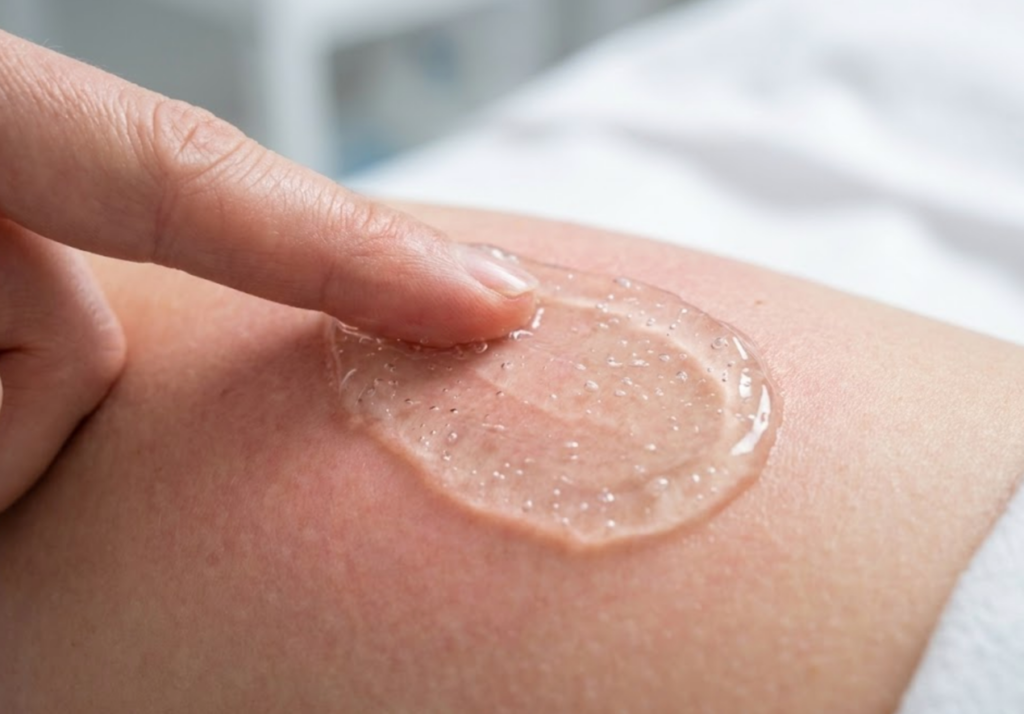
- Product Recommendations:Recommend gels containing Aloe Vera or Panthenol. These ingredients soothe inflammation without trapping heat like heavy oils might.
Sun Protection and Skincare Product Guidance
This is the non-negotiable rule of post laser care.
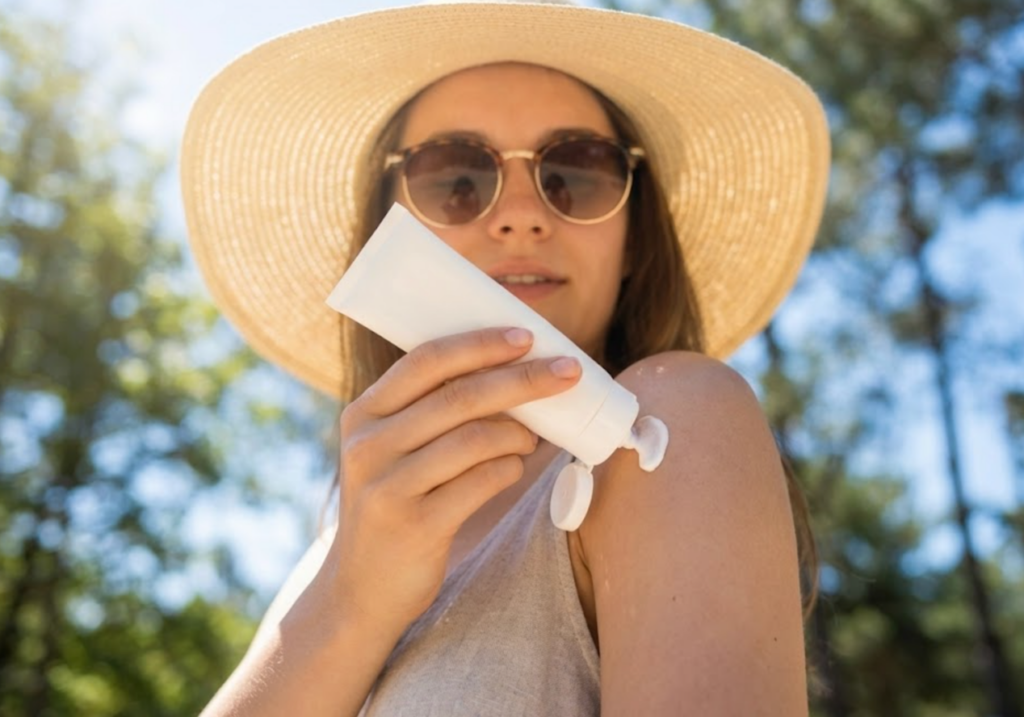
- SPF is Mandatory:Clients must apply a broad-spectrum sunscreen (SPF 30 or higher) to treated areas exposed to the sun.
- Gentle Products:Advise clients to switch to fragrance-free, non-comedogenic cleansers for 48 hours. Avoid active ingredients like Retinoids, Glycolic Acid, or Salicylic Acid for at least 3–5 days, as these can irritate sensitized skin.
What to Avoid After Treatment
To prevent “re-heating” the skin, advise clients to avoid the following for 24–48 hours:
- Heat Sources:Hot showers, saunas, steam rooms, and intense cardiovascular exercise.
- Friction and Exfoliation:No scrubs, loofahs, or tight clothing that rubs against the treated area.
- Chemicals:Avoid perfumed lotions, deodorants (if underarms were treated), and swimming in chlorinated pools.
Handling Complications (and How to Respond Professionally)
Even with the best technology, complications can occur due to biological variability or client non-compliance. How a clinic responds defines its reputation.
Immediate Management of Burns or Irritation
If a client reports a burn or blister:
- Cool Immediately:Advise continuous cooling to stop thermal progression.
- Topical Aid:Suggest an over-the-counter hydrocortisone cream or antibiotic ointment (like Bacitracin) to prevent infection.
- Documentation:Request photos for the client’s file to monitor progress.
When to Refer to Medical Professionals
As aesthetic professionals, we must know our limits. If you observe signs of infection (pus, extreme heat, spreading redness) or severe second-degree burns, refer the client to a dermatologist immediately. Prompt medical referral demonstrates responsibility and prioritizes client safety over saving face.
How Heshibi Devices Reduce Post-Treatment Risks
While aftercare is the client’s responsibility, safety begins with the machine. At Heshibi, we have spent over 10 years refining diode laser technology to minimize the margin for error. We believe that a device should be as precise and rare as a jewel—flawless in its execution.
Advanced Cooling Systems and Temperature Control
The primary cause of post-treatment burns is the overheating of the epidermis. Heshibi devices are engineered with advanced sapphire contact cooling systems. This technology maintains the skin surface at a safe, low temperature during the laser pulse. By neutralizing the heat on the surface while targeting the follicle deep below, we drastically reduce the immediate inflammation that leads to complications, ensuring a safer, more comfortable experience even at high power.
Stable Energy Delivery and Skin Safety Sensors
Inconsistent energy output (“spikes” in power) is a silent danger in many generic lasers. Heshibi devices, which are CE and FDA certified, utilize state-of-the-art power units that guarantee stable energy delivery.
- Precision:Our technology ensures the laser beam penetrates to the exact depth required without scattering energy into surrounding tissue.
- Safety Sensors:Integrated sensors monitor skin reaction and energy output in real-time.
This combination of stable high-power output and intelligent sensing means the skin receives exactly what it needs—nothing more, nothing less. By removing technical instability from the equation, Heshibi allows clinics to focus entirely on delivering results and educating clients on proper laser hair removal aftercare.
Conclusion
Are you ready to elevate your clinic’s safety standards? Explore Heshibi’s range of OEM/ODM diode laser solutions, where advanced science meets the art of safety. [Contact Us Today]